
When your project demands heavy loads, complex geometry, or fully custom steel buildings, Colony Construction delivers conventional steel construction Canada-wide. Our engineers, detailers, and ironworkers have built hydroelectric powerhouses, diamond-mine processing plants, and chemical facilities that no pre-engineered kit could ever handle.
What Is Conventional Steel Construction?
Conventional steel construction – also called structural steel construction – is the design and fabrication of a building using standard hot-rolled W-sections, HSS, plate girders, and built-up members engineered for the specific loads of the project. Unlike a PEB, every member is sized individually, which makes conventional construction the right choice for heavy-industrial facilities with large bridge cranes, irregular geometry, tall walls, deep foundations, or one-off architectural features.
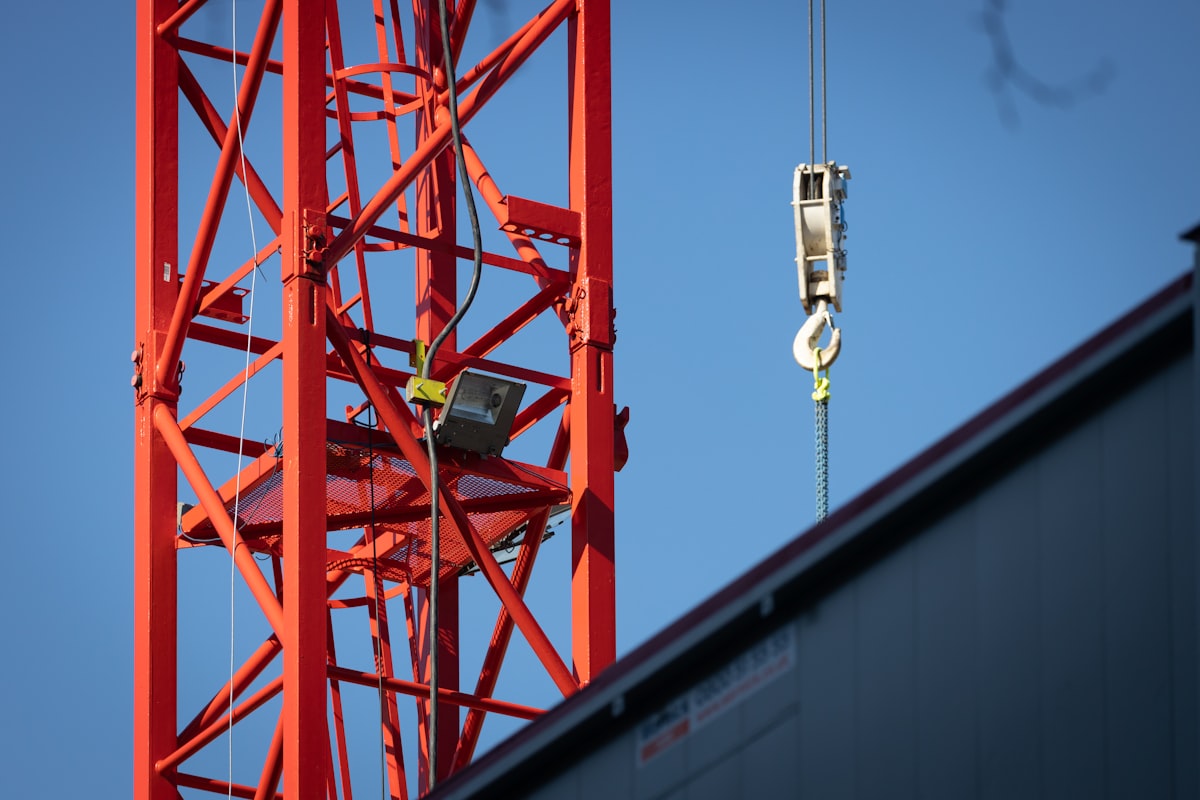
Colony Construction has delivered conventional steel construction across Canada since 1985, completing more than 700 projects in mining, hydroelectric, oil and gas, manufacturing, and civic work. Our Surrey, Kelowna, and Edmonton shops are equipped to handle heavy members up to 50 tonnes, with CWB-certified welding and full AESS capability where exposed structure is part of the design. That is why owners who need custom steel buildings – especially in remote and challenging environments – call Colony first.
On a conventional steel job, nothing is catalog. Every connection is engineered, every plate detailed, and every weld inspected. The result is a structure that matches your process, your footprint, and your operating life exactly.
Key Benefits of Conventional Steel Construction
- Heavy Load Capacity: Structural steel construction handles bridge cranes of 50, 100, or 200+ tonnes and process loads well beyond what pre-engineered systems can accommodate.
- Unlimited Geometry: Irregular column grids, stepped roofs, tall headhouses, and multi-level process floors are all in scope when you build with conventional steel.
- Long-Term Adaptability: Custom steel buildings are easier to expand, retrofit, or re-engineer decades later because the structural system is not locked into a proprietary PEB package.
- Premium Appearance: When the structure is exposed – in sports venues, civic buildings, or signature industrial fronts – conventional steel delivers a level of architectural finish a PEB cannot match.
Industries That Rely on Conventional Steel Construction
Conventional steel construction is the right solution whenever the loads, geometry, or process drive the design. Colony clients across Canada rely on it for:
- Mining – mills, crushers, conveyor galleries, and headframes engineered for extreme vibration and wear.
- Hydroelectric – powerhouses, intake structures, and penstock supports requiring heavy plate-girder framing.
- Oil & Gas – process modules, pipe racks, and compressor buildings with complex service loads.
- Manufacturing & Warehousing – heavy process plants with integrated bridge cranes, mezzanines, and equipment platforms.
Featured Projects

Diavik Diamond Mines
Colony delivered conventional steel construction for this remote NWT diamond operation. The scope included heavy process-plant framing engineered for sub-arctic temperatures, long winter road logistics, and demanding process loads.

Mayo B Powerhouse
This Yukon hydroelectric facility required plate-girder and heavy-section framing that only conventional steel construction could deliver. Colony provided engineering, fabrication, and erection for the powerhouse structure in a logistically challenging northern environment.

Seastar Chemicals
Colony built a custom steel building for Seastar’s specialty chemical manufacturing facility in BC. The project combined heavy process-floor framing, chemical-resistant detailing, and a conventional structural frame engineered around sensitive laboratory operations.
Our Conventional Steel Construction Process
- Step 1 – Engineering & Analysis: Our in-house structural team runs the full load take-off, seismic and wind analysis, and connection design for every member.
- Step 2 – Detailing & Fabrication: Tekla shop drawings drive CNC fabrication in our CWB-certified shops, with full traceability from mill certs to final weld.
- Step 3 – Site Erection & Commissioning: Colony’s ironworker crews erect, plumb, and commission the structure, coordinating with your mechanical, electrical, and process trades.
Frequently Asked Questions
When should I choose conventional steel construction over a PEB?
Choose conventional when loads are heavy (large cranes, heavy process equipment), geometry is irregular, architectural finish matters, or the building will be adapted over decades. PEBs excel at standard rectangular envelopes with predictable loads. Colony offers both and will recommend the approach that fits your project, not our shop schedule.
What are typical lead times for conventional steel buildings in Canada?
Engineering typically takes 6-12 weeks, fabrication 8-20 weeks depending on tonnage, and erection varies with site conditions. A mid-size conventional steel building runs 8-14 months end to end. Colony locks milestones contractually so procurement, civil, and commissioning can all plan around firm dates.
What does the engineering process look like on a structural steel construction job?
Our engineers begin with architectural and process loads, develop a structural concept, run a full analysis (gravity, wind, snow, seismic), design every connection, and issue stamped drawings. On complex projects we integrate with owner engineers and third-party reviewers. Every design is CWB and CSA compliant.
What load capacity can Colony’s conventional steel buildings handle?
Colony regularly designs and fabricates structures for 100+ tonne bridge cranes, heavy process modules, and the vibration/impact loads typical of mining and hydroelectric work. Our members routinely exceed 50 tonnes individually. If your project needs it, we can engineer and fabricate it.
Ready to Start Your Conventional Steel Construction Project?
Send us your scope, schedule, and site details. A Colony estimator will review your project and reply within one business day.