
Colony Construction delivers in-house structural steel engineering and Tekla detailing for US industrial projects – engineered to AISC 360-22, AISC 303 Code of Standard Practice, and ASCE 7, with connection prequalification for Seismic Design Category D and E sites. Our 40-year track record, across 700+ projects on remote mines, hydroelectric powerhouses, and process plants, is built on structural engineering that holds up under peer review, third-party inspection, and AHJ plan check. Colony coordinates with state-licensed US PEs for stamping in each of our 12 target states, so US owners get fabrication-ready models on schedule and stamped permit drawings that pass the first review.
Structural Engineering and Detailing Expertise
Colony’s engineering group runs full structural analyses – gravity, wind, snow, and seismic to ASCE 7 – for every project we fabricate and every project we detail for third-party fabricators. We design to AISC 360-22 for structural members, AISC 341 for seismic provisions in SDC D and E zones, AISC 358 for prequalified moment connections, and AWS D1.1:2020 for welded joints. Our deliverables include calculation packages, stamped permit drawings, and Tekla shop models – all traceable from design loads to the installed connection. US PE stamping is coordinated with licensed partners in each project state.
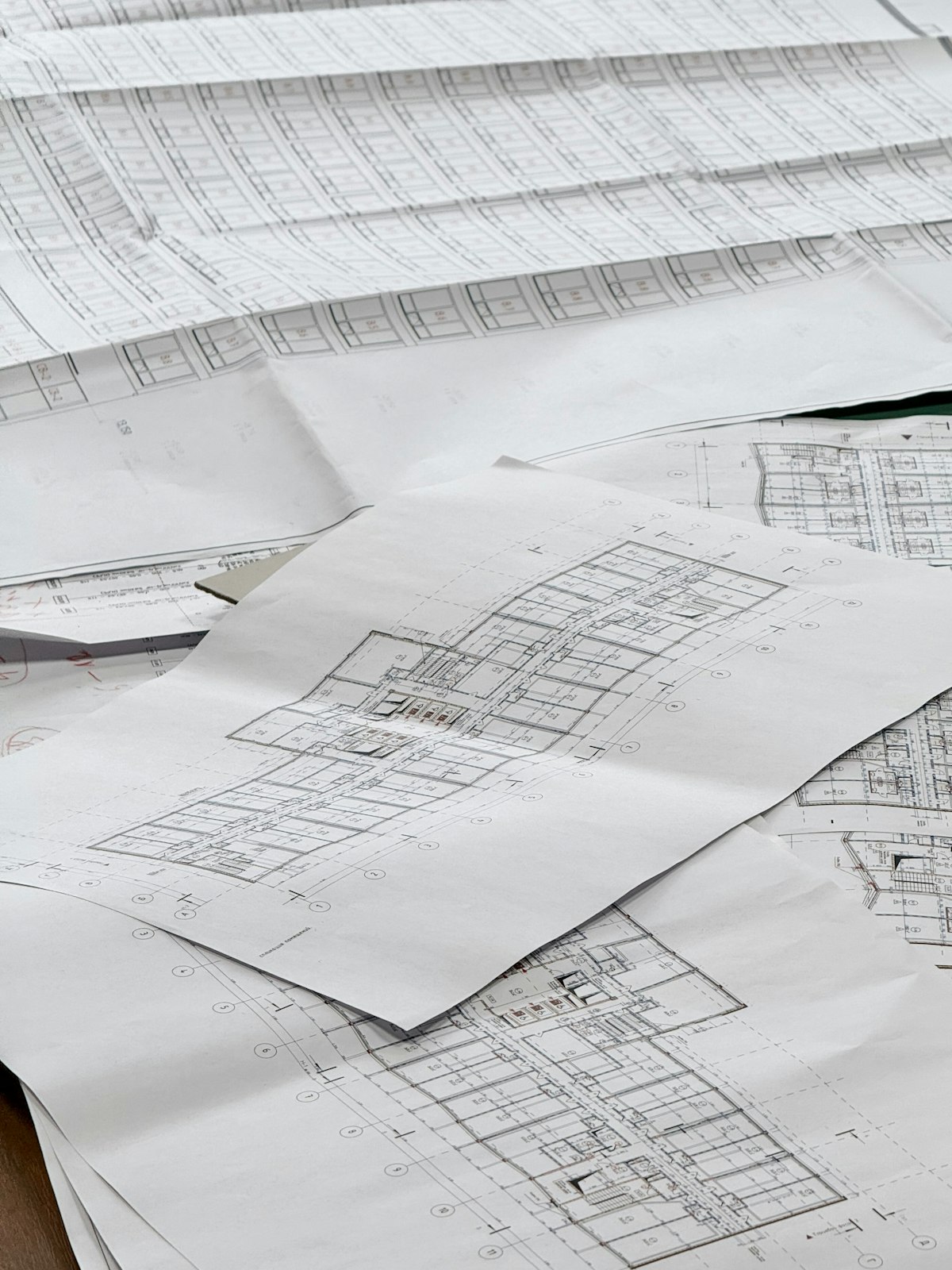
Detailing runs in Tekla Structures with full BIM coordination into Revit, AutoCAD, Navisworks, and BIM 360. We produce erection drawings, shop drawings, anchor-bolt plans, and CNC fabrication files integrated to the fabricator’s shop schedule. For hyperscale data centers in Oregon and Arizona, for Permian Basin process facilities, and for California Seismic Design Category D industrial buildings, Colony routinely produces 1,000-ton+ steel packages with zero RFI-driven rework. Our detailers operate under ISO-9001-aligned QA procedures, with independent model reviews and version-controlled deliverables for every issue.
Industries We Serve with Engineering and Detailing
- Mining Construction – heavy-process-plant and mill engineering for Nevada, Utah, and Colorado hard-rock operators.
- Oil & Gas Construction – pipe-rack, compressor-building, and modular process detailing for Permian Basin and Gulf Coast LNG projects.
- Hydroelectric Construction – plate-girder, penstock, and powerhouse engineering for Bureau of Reclamation and TVA contractors.
- Data Center Construction – fast-track hyperscale shell engineering and BIM coordination with hyperscaler MEP trades.
- Sports & Recreation Construction – AESS detailing to AISC 303 Categories 1–4 for D1 athletic venues and municipal civic projects.
Challenges We Solve
State-by-State PE Stamping Across 12 Target States
Every US state requires a PE licensed in that state to stamp structural drawings for permit. Colony coordinates with a network of licensed US PEs – California, Oregon, Washington, Nevada, Arizona, Utah, Colorado, Texas, Alaska, and Mountain West partners – so stamped drawings are issued under the correct state seal on the first pass. We manage the engineer-of-record relationship start to finish, without asking the owner to chase down stamps.
AISC 341 Seismic Prequalification in SDC D and E
California, Alaska, and the Wasatch Front push most industrial structures into Seismic Design Category D or E, where special moment frames, special concentrically braced frames, and buckling-restrained braced frames require AISC 358 prequalified connections. Colony’s engineers design SMF, IMF, OMF, SCBF, and BRBF systems routinely, with third-party peer review on projects that require it and full documentation for AHJ plan check.
Tekla Model Coordination with Hyperscaler MEP Trades
On data-center shells and EV/battery plants, the structural model must interface cleanly with mechanical, electrical, and process trades working in parallel. Colony delivers Tekla models into BIM 360 and Navisworks with weekly clash-detection cycles, resolving 95%+ of conflicts before steel hits the fabrication floor – critical on projects where the structural package is fabricated while MEP design is still advancing.
Fabrication-Ready CNC Output and Shop Integration
A Tekla model that will not drive the fabricator’s CNC equipment cleanly costs the project time and money in shop-floor rework. Colony’s detailers produce NC1 / DXF / DSTV output pre-validated against the receiving fabricator’s equipment, with hole patterns, bolt standards, and member marks harmonized to the shop’s production conventions.
OSHA Site-Safety Review Integrated with Erection Engineering
Colony produces erection-engineering packages – temporary bracing, pick plans, crane positioning, fall-protection anchorages – coordinated with OSHA 29 CFR 1926 site-safety requirements. The field foreman does not have to interpret the engineer’s intent from generic notes; every sequence is pre-engineered and documented.
Projects We’ve Delivered

Diavik Diamond Mines
Colony’s engineering team delivered heavy-process-plant analysis, connection design, and Tekla detailing for this remote Arctic diamond operation. The scope – process-plant framing for sub-Arctic temperatures, heavy vibratory loads, and remote-site logistics – parallels directly to Nevada and Alaska remote hard-rock engineering work.

Mayo B Powerhouse
Plate-girder analysis and connection design for this hydroelectric powerhouse required heavy-section detailing, fatigue analysis, and coordination with in-river construction sequencing. Directly applicable to Columbia River, Snake, and Bureau of Reclamation dam-rehabilitation engineering work.

Brucejack Gold Mine
Engineering for a fly-in-only gold mining site required integrated load analysis for remote-site logistics, sub-Arctic service temperatures, and phased construction sequences. Representative of the engineering depth Colony brings to Alaska Donlin- and Pebble-scale remote-site mining projects.
Frequently Asked Questions
Do Colony’s engineers stamp drawings for all US states we serve?
Colony’s in-house engineers are Canadian-licensed PEs; US structural stamping is delivered through a network of state-licensed US PE partners covering Alaska, Washington, Oregon, California, Nevada, Arizona, Utah, Colorado, Texas, and Mountain West states. We manage the engineer-of-record relationship end-to-end so the owner sees a single stamped deliverable per state.
How does Colony’s engineering process align with AISC 360-22, AISC 303, and IBC / ASCE 7?
Every Colony design uses AISC 360-22 for structural-member design, AISC 303 Code of Standard Practice for tolerances and fabrication, ASCE 7 for wind / snow / seismic loads, and IBC as amended by the project AHJ. On AESS scopes we layer in AISC 303 AESS Categories 1–4. On SDC D and E projects we add AISC 341 seismic provisions and AISC 358 prequalified-connection requirements.
What detailing software does Colony use, and how does it integrate with fabricators?
Tekla Structures for primary detailing, with output to NC1, DXF, and DSTV for CNC fabrication. We coordinate into BIM 360, Revit, Navisworks, and AutoCAD depending on the project team. For US hyperscalers and MEP-dense projects, weekly model publishing and clash-detection cycles are standard.
Can Colony engineer connections for seismic Design Category D and E sites (California, Alaska)?
Yes. Colony engineers SMF, IMF, OMF, SCBF, and BRBF systems to AISC 341 and AISC 358 prequalification requirements. Connection documentation is complete enough to pass AHJ plan check and third-party peer review without iteration – critical on California DSA / OSHPD-adjacent projects and Alaska Region 10 OSHA-jurisdiction sites.
Start Your Engineering and Detailing Project
Send us your scope, schedule, and site details. A Colony estimator will review your project and reply within one business day.