
Colony Construction delivers structural steel for California data centers, Central Valley ag processing and cold storage, and Inland Empire logistics – from Santa Clara and Oakland colocation facilities to Fresno, Bakersfield, and Kern County specialty-crop processors and Riverside and San Bernardino distribution envelopes. Founded in 1985 and responsible for more than 700 completed projects, Colony brings 40+ years of heavy-industrial and high-seismic steel experience to California owners. Every frame is engineered to AISC 360-22 and AISC 341 seismic provisions for Seismic Design Categories D and E, welded to AWS D1.1:2020, stamped by licensed California PEs, and executed under Cal/OSHA state-plan (Title 8 CCR) – stricter than federal OSHA on several key points. California is the state where US-state PE stamping, Cal/OSHA language, and California Building Code amendment depth most diverge from our Canadian playbook; our delivery model adapts accordingly.
California Steel Construction Expertise
California Building Code (CBC) Title 24 is the adopted IBC with an extensive set of California amendments – including Part 6 (energy), Part 11 (CALGreen), and Part 2 (structural) with seismic and fire-resistance provisions that exceed the IBC baseline. CBC Title 24 is more prescriptive on envelope and cool-roof performance than any other US code. Seismic Design Categories D and E govern populated California from Humboldt south to San Diego, driving ductile-connection detailing, AISC 341 prequalified moment connections under AISC 358, brace-frame detailing, and drift / story-ratio limits that exceed IBC baseline in some AHJs. Cal/OSHA (Title 8 CCR) is stricter than federal OSHA on fall protection, excavation, scaffolding, and heat-illness prevention – the last matters on Central Valley summer work. DIR (Department of Industrial Relations) prevailing-wage rules govern public works; CEQA (California Environmental Quality Act) adds entitlements overhead; and Title 24 Part 6 energy code governs envelope and cool-roof selection. PE stamping in California requires a California-licensed structural engineer on record; Colony coordinates state stamping with California-licensed PEs on every project.
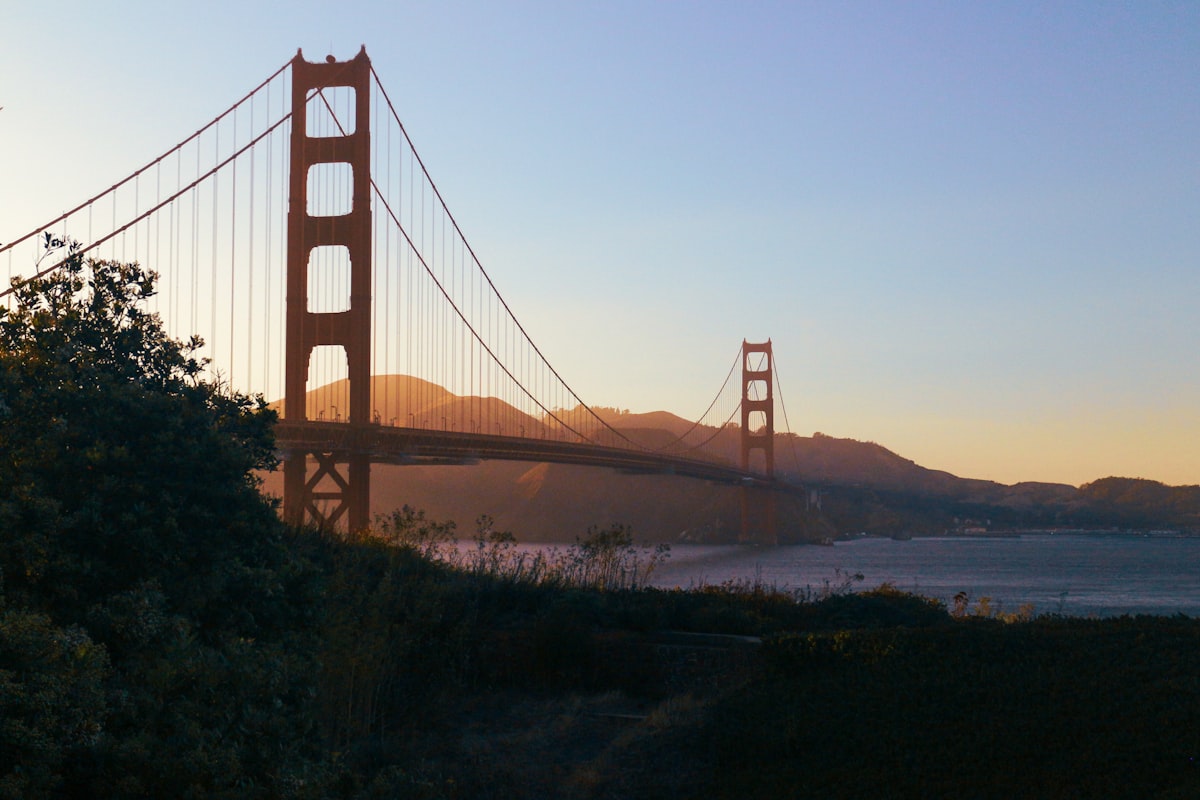
California’s industrial economy is unusually diverse. The Bay Area and Silicon Valley host dense colocation and hyperscaler data-center clusters (Santa Clara, San Jose, Oakland, Tracy). The Central Valley is the world’s largest specialty-crop economy, with processors in Fresno, Kern, Kings, Merced, and Tulare counties producing almonds, pistachios, wine grapes, citrus, and dairy under FDA FSMA and USDA FSIS discipline. The Inland Empire (Riverside, San Bernardino) operates one of the largest logistics footprints in North America, with fast-track distribution and cold-storage construction. The LA Basin hosts manufacturing, logistics, and a growing data-center cluster. Colony has fast-track process-facility, ag-processing, cold-storage, and MEP-dense industrial projects in our portfolio – the alignment is direct.
What We Build in California
- Data Center Construction – colocation buildings and hyperscale shells in Santa Clara, San Jose, Oakland, Tracy, and LA-adjacent markets to Uptime Institute Tier III and Tier IV standards.
- Agriculture Construction – specialty-crop processing envelopes, dairy parlors, and cold-storage buildings across the Central Valley under FDA FSMA and USDA FSIS envelope discipline.
- Manufacturing & Warehousing – Inland Empire distribution envelopes, cold-storage, and Tier-1 supplier facilities across Riverside, San Bernardino, and the LA Basin.
Regional Challenges We Solve
Seismic Design Categories D and E Under CBC and ASCE 7
Populated California from Humboldt south to San Diego sits in Seismic Design Categories D and E. Colony details primary framing with AISC 341 seismic provisions – prequalified moment-frame connections under AISC 358, brace-frame panels, and drift / story-ratio limit checks. Connection prequalification is standard on moment-frame buildings; special inspection and testing under CBC Chapter 17 is part of the QA/QC package.
Cal/OSHA Compliance (Title 8 CCR)
Cal/OSHA is stricter than federal OSHA on multiple fronts – lower fall-protection thresholds, stricter excavation and trenching rules, heat-illness-prevention requirements (Title 8 CCR 3395), and more aggressive inspection frequency. Colony supervisors train to Cal/OSHA requirements on every California project, carry heat-illness-prevention plans on Central Valley summer work, and maintain the inspection and documentation trail Cal/OSHA expects.
CBC Title 24 Envelope and Energy Code
Title 24 Part 6 (energy) and Part 11 (CALGreen) impose prescriptive envelope, cool-roof, and sustainability requirements that exceed IBC / IECC baseline. Colony coordinates with mechanical and envelope engineers on continuous insulation, thermal-bridge detailing, and cool-roof selection so structural decisions support Title 24 compliance without compromise.
Central Valley Cold-Storage and FSMA-Compliant Ag-Processing
Fresno, Kern, Kings, Merced, and Tulare county specialty-crop processors and dairy operators build under FDA FSMA and USDA FSIS envelope discipline. Colony integrates insulated metal panels, continuous-insulation cladding, sanitary-finish transitions, and refrigerated-zone structural detailing that supports FSMA and FSIS outcomes – the same discipline we apply on Canadian ag-processing work.
California PE Stamping and AHJ Plan Review
California PE stamping requires a California-licensed structural engineer on record for every state-permitted project. Colony coordinates state stamping with California-licensed PEs on every California project. AHJ plan review – San Francisco DBI, Santa Clara County, Los Angeles DBS, Riverside and San Bernardino county review – varies in depth and turnaround; Colony engages AHJs early to minimize review-cycle impact on schedule.
California Projects

SeaStar Chemicals
Custom chemical-plant structural framing with MEP-heavy process integration and fast-track trade-coordinated erection. The mechanical-dense fast-track delivery model reads directly onto Santa Clara, Oakland, and LA-adjacent colocation construction and Bay Area hyperscale shell delivery.

Interfor Adams Lake Sawmill
Large industrial envelope with long clear-spans, heavy-duty cladding, and integrated process-coordination. Directly applicable to Inland Empire distribution centers and Central Valley ag-processing envelopes where scale and fast-track schedule converge.

Dockside Green Biomass Energy Facility
A bio-process facility with dense mechanical integration and sanitary-adjacent envelope discipline. Directly applicable to Central Valley specialty-crop processing and ag-processing plant construction under FDA FSMA.

Imperial Oil Kearl Lake
Large-scale envelope with refrigerated and process zones engineered to extreme environmental demand. The scale and integrated-envelope discipline read directly onto Central Valley cold-storage and distribution-center construction.
Frequently Asked Questions
Which California markets does Colony serve – Santa Clara and LA-adjacent data centers, Central Valley specialty crops and cold storage, Inland Empire logistics?
All three. Our focus is heavy-industrial scope – Bay Area colocation and hyperscale shells in Santa Clara, San Jose, Oakland, and Tracy; FSMA / FSIS-compliant specialty-crop processing and cold storage across the Central Valley; and Inland Empire distribution envelopes in Riverside and San Bernardino. Downtown commercial and residential construction is outside our current focus.
How does Colony approach California Building Code (CBC) and Seismic Design Categories D/E under ASCE 7?
We design to current CBC Title 24 with AISC 341 seismic provisions – prequalified moment-frame connections under AISC 358, brace-frame detailing, and drift / story-ratio limit checks. Special inspection and testing under CBC Chapter 17 is part of the standard QA/QC package, and our engineers coordinate with California-licensed structural engineers for state-stamped submittals.
What California-specific permitting, PE stamping, and OSHPD / DSA touchpoints apply on industrial projects?
California PE stamping requires a California-licensed structural engineer on record; Colony coordinates with California PEs on every project. AHJ plan review (SF DBI, Santa Clara, LA DBS, Riverside and San Bernardino county) varies in depth. OSHPD (hospitals) and DSA (schools) only apply on those specific building types; our industrial scope runs through local AHJ review. DIR prevailing-wage compliance is required on public works; CEQA entitlements are handled in parallel with the owner’s environmental consultant.
Can Colony deliver fast-track cold-storage and freezer envelopes for Central Valley processors?
Yes. Insulated metal panels, continuous-insulation cladding, refrigerated-zone structural detailing, and FSMA / FSIS-compliant sanitary-finish transitions are part of our standard ag-processing and cold-storage package. The discipline transfers directly from our Canadian cold-chain and food-grade envelope work.
How does Colony address Cal/OSHA requirements that differ from federal OSHA?
Cal/OSHA (Title 8 CCR) is stricter than federal OSHA on fall protection, excavation, scaffolding, and heat-illness prevention. Colony supervisors train to Cal/OSHA requirements on every California project, carry heat-illness-prevention plans on Central Valley summer work, and maintain the inspection and documentation trail that Cal/OSHA expects. We adapt our Canadian safety program to Cal/OSHA baseline and layer the state-specific requirements on top.
Start Your Steel Construction in California Project
Send us your scope, schedule, and site details. A Colony estimator will review your project and reply within one business day.