
Colony Construction delivers structural steel for Oregon forestry, manufacturing, hydro, and the Hillsboro and Prineville data-center corridor – from Willamette Valley specialty manufacturers and Coast Range sawmills to Cascade-range pellet plants and Columbia Gorge hydro rehabs. Founded in 1985 and responsible for more than 700 completed projects, Colony brings 40+ years of Pacific Northwest heavy-industrial experience to Oregon owners. Every frame is engineered to AISC 360-22 and AISC 341 seismic provisions, welded to AWS D1.1:2020, stamped by licensed US PEs, and executed under Oregon OSHA state-plan and federal EPA / DEQ-permitting frameworks. Oregon is a natural southern extension of the Pacific Northwest corridor Colony has served from our BC fabrication shops for four decades.
Oregon Steel Construction Expertise
Oregon sits on the Cascadia Subduction Zone, and ASCE 7 drives Seismic Design Category D across western Oregon – Portland, Eugene, Salem, and the entire Willamette Valley. Colony details primary framing with AISC 341 seismic provisions where building geometry requires, using prequalified moment-frame connections under AISC 358 and braced-frame panels to meet SDC D drift limits. The Oregon Structural Specialty Code (OSSC) adopts the IBC with state amendments, Oregon OSHA operates a state-plan stricter than federal baseline on several points, and DEQ (Department of Environmental Quality) adds industrial-site permitting overhead that must be coordinated from day one on process and manufacturing projects.
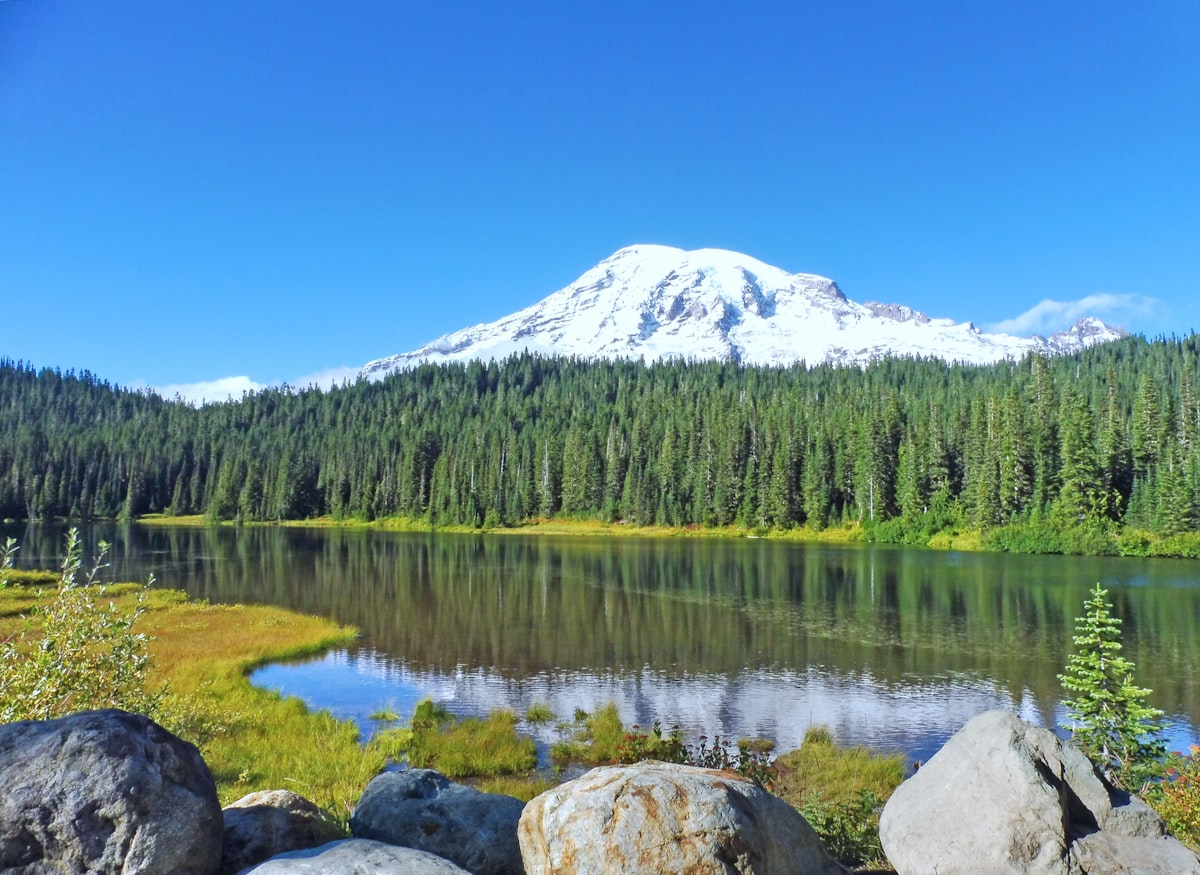
Oregon’s industrial economy is built on forestry, high-tech manufacturing, and a rapidly expanding data-center footprint. The Coast Range and southern Oregon sawmill belts anchor forestry. The Willamette Valley hosts Intel’s Hillsboro fabs and a dense Tier-1 semiconductor supplier cluster. The Hillsboro and Prineville hyperscaler corridor has become one of the top data-center markets in the country, with Amazon, Apple, Facebook, and Google campuses driving fast-track shell construction. And the Columbia, Deschutes, Rogue, and Willamette river systems generate ongoing hydro-rehab and pellet-plant bioenergy work. Colony has long-span mill, hydro powerhouse, biomass-facility, and fast-track process-facility projects in our portfolio – the building-type alignment is direct.
What We Build in Oregon
- Forestry Construction – sawmill envelopes, planer-mill buildings, and pellet plants for Roseburg, Eugene, and Coast Range operators under NFPA 664 combustible-dust discipline.
- Data Center Construction – hyperscale shells and colocation buildings in the Hillsboro and Prineville corridor to Uptime Institute Tier III and Tier IV standards.
- Manufacturing & Warehousing – Tier-1 semiconductor supplier facilities in the Silicon Forest corridor and Willamette Valley specialty manufacturing.
- Hydroelectric Construction – powerhouse structural steel, intake buildings, and dam-rehabilitation support for Columbia Gorge, Willamette, and Deschutes basin projects.
- Agriculture Construction – hazelnut, wine, and specialty-crop processing envelopes and cold-storage buildings across the Willamette Valley and Columbia Basin.
Regional Challenges We Solve
Cascadia Subduction Zone Seismic Detailing
Western Oregon sits on one of the highest-hazard subduction-zone margins in North America. Colony details primary framing to AISC 341 seismic provisions for Seismic Design Category D – prequalified moment-frame connections under AISC 358, brace-frame panels, and drift-checked envelope attachments. Our engineers coordinate with Oregon-licensed PEs for OSSC-stamped submittals.
Hillsboro / Prineville Data-Center Fast-Track
Hyperscaler shells in Hillsboro, Prineville, and Umatilla run on 12-to-18-month turnkey schedules where steel pacing determines the critical path. Colony releases permit-stamped packages in weeks, overlaps fabrication with site civil work, and mobilizes erection crews to match MEP trade sequencing. Tier III and Tier IV redundancy, ASHRAE 90.4 envelope, and Uptime Institute validation are part of the standard package.
NFPA 664 Sawmill and Pellet-Plant Dust Discipline
Roseburg, Eugene, and Coast Range mill operators work under NFPA 664 combustible-dust requirements. Colony designs mill envelopes, dust-collection enclosures, and explosion-relief paths integrated with process engineering. The discipline from our BC sawmill portfolio – Adams Lake, Quesnel – translates directly onto Oregon mill rebuilds and new pellet-plant construction.
OSSC and Oregon OSHA State-Plan Requirements
The Oregon Structural Specialty Code and Oregon OSHA state plan impose stricter or different requirements than federal baseline on several points – fall protection at lower heights, excavation permits, and scaffolding inspections are all state-specific. Colony supervisors train to Oregon OSHA requirements on every Oregon project and coordinate OSSC plan review from the engineering phase.
DEQ Permitting on Industrial Sites
Oregon DEQ air and water permits add a parallel permitting track on most industrial and process projects, including data-center backup-generator air permits, sawmill combustion source permits, and pellet-plant emissions. Colony coordinates structural delivery with DEQ timelines so that steel is on site when DEQ clearances and AHJ permits align, not ahead of or behind them.
Oregon Projects

Interfor Adams Lake Sawmill
Large-format PEB envelope over a modern sawmill with long clear-spans, integrated crane supports, and heavy-duty cladding. Representative of the long-span mill-envelope work Colony delivers for Roseburg, Coast Range, and Willamette Valley forestry operators.

Dockside Green Biomass Energy Facility
A bio-process facility with dense mechanical integration, engineered and erected under a single-source Colony contract. Directly applicable to Oregon pellet-plant and biomass-to-energy projects across the Coast Range and Eastern Oregon.

SeaStar Chemicals
Custom chemical-plant structural framing with MEP-heavy process integration and MEP trade-coordinated erection. The mechanical-dense fast-track delivery model reads directly onto Hillsboro, Prineville, and Umatilla hyperscale data-center shells.

Mayo B Powerhouse
Plate-girder powerhouse framing, crane-runway support, and intake-building structural steel for a northern hydroelectric facility. Directly applicable to Columbia Gorge, Willamette, and Deschutes basin dam-rehab and powerhouse retrofit work.
Frequently Asked Questions
Which Oregon markets does Colony serve – Willamette Valley manufacturing, Hillsboro/Prineville data centers, Coast Range forestry, Columbia River hydro?
All four. Our Pacific Northwest footprint was built on BC sawmill, hydro, and industrial work that reads directly onto Oregon operators. We focus on heavy-industrial scope – mill envelopes in the Coast Range and southern Oregon, hyperscaler shells in the Hillsboro and Prineville corridor, semiconductor supplier facilities in Silicon Forest, and hydro-rehab on the Columbia and Willamette – rather than general commercial construction.
How does Colony approach Oregon Structural Specialty Code (OSSC) and ASCE 7 Cascadia seismic loads?
We design to the current OSSC edition, which adopts the IBC with Oregon amendments, and apply AISC 341 seismic provisions for SDC D using AISC 358 prequalified connections, brace-frame detailing, and drift-limit checks. Our engineers coordinate with Oregon-licensed PEs for state-stamped submittals and engage with OSSC plan reviewers early.
What is Colony’s experience with fast-track hyperscale data-center shells in the Hillsboro/Prineville corridor?
Our fast-track design-build experience on Canadian biomass and process facilities translates directly to hyperscaler shell delivery. We release stamped permit packages in weeks, overlap fabrication with site civil work, and deliver MEP-coordinated steel in sequenced lifts. Tier III and Tier IV redundancy, ASHRAE 90.4 envelope, and Uptime Institute validation are part of the standard package.
How do Oregon sawmill and pellet-plant projects differ from Washington or BC work?
The structural work is similar, but Oregon adds OSSC plan review and Oregon OSHA state-plan compliance to the baseline NFPA 664 combustible-dust framework. DEQ air permitting runs in parallel on combustion sources and pellet-plant emissions. Colony integrates OSSC, Oregon OSHA, and DEQ timelines from the engineering phase so the structural package and environmental permits land together.
Start Your Steel Construction in Oregon Project
Send us your scope, schedule, and site details. A Colony estimator will review your project and reply within one business day.