
Colony Construction delivers steel construction services across Manitoba, supporting the province’s hydroelectric, mining, and manufacturing industries from our fabrication shops in British Columbia and regional office in Edmonton. Since 1985 we have fabricated and shipped steel into Manitoba for industrial, utility, and resource-sector projects. From Manitoba Hydro’s northern generating corridor to Winnipeg’s manufacturing and distribution sector, Colony is built for prairie and boreal construction.
Colony Construction in Manitoba
Manitoba sits at the meeting point of the prairies and the Canadian Shield, with a climate that routinely swings from 30 C summers to -40 C winters and a geography that mixes agricultural heartland with deep-boreal remote construction. Colony has spent four decades working that range of conditions across western and northern Canada, and those same capabilities come into play for Manitoba projects – whether the work is a Winnipeg-area industrial shop or a remote hydro-corridor support facility on the Nelson River.
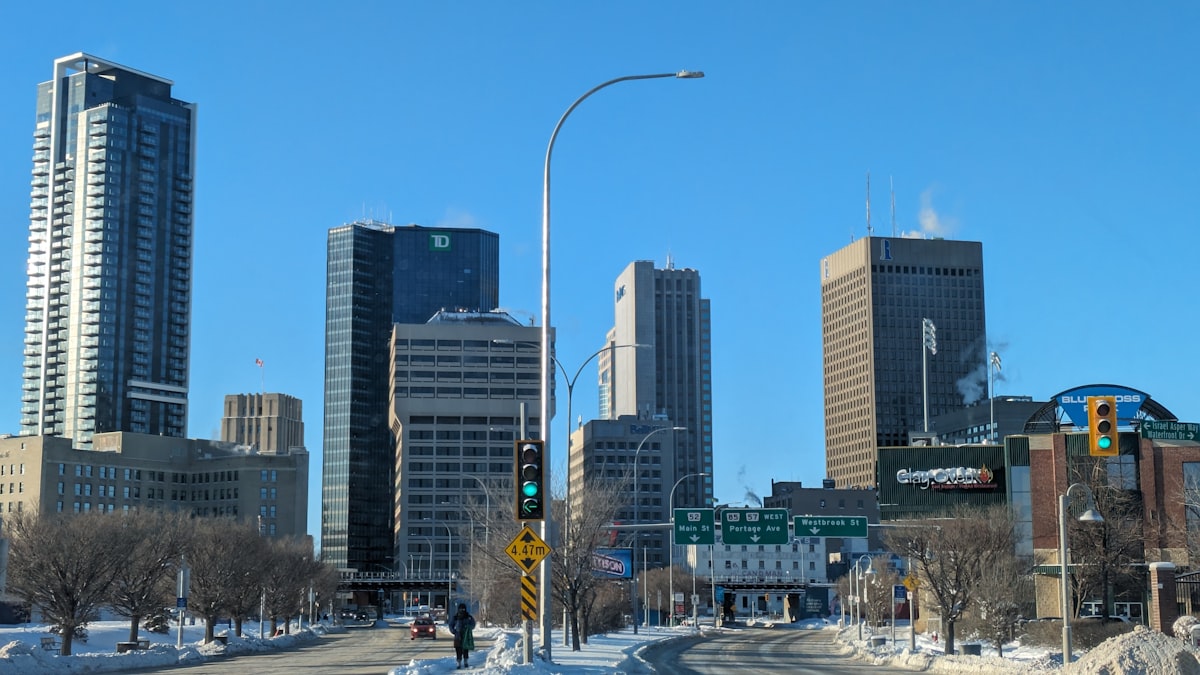
Manitoba Hydro’s northern generating stations – Kettle, Long Spruce, Limestone, Keeyask, and Wuskwatim – sit within a construction environment Colony knows well: remote access, tight summer erection windows, cold-weather welding, and the logistical discipline needed to build dependable steel on the Shield. Our experience at Mayo B in the Yukon, Dockside Green in Victoria, and other hydro and biomass energy projects translates directly to the kind of powerhouse-ancillary, transmission-support, and camp steel that Manitoba’s utility corridor requires.
On the manufacturing side, Colony’s pre-engineered and conventional steel buildings are well suited to Winnipeg’s industrial growth corridors and the distribution hubs serving southern Manitoba. All Manitoba steel is designed to the Manitoba Building Code and the National Building Code amendments adopted provincially, with snow and wind loads matched to the site’s climatic data.
Steel Construction Services in Manitoba
Industries We Serve in Manitoba
Manitoba’s economy balances large-scale utility and resource infrastructure against a diversified manufacturing and distribution base. Colony builds across that full spectrum.
- Hydroelectric Construction – Ancillary steel for Manitoba Hydro’s northern generating corridor and associated transmission support facilities.
- Mining Construction – Nickel, copper, and zinc mining structures in the Flin Flon, Thompson, and Lynn Lake districts.
- Manufacturing and Warehousing – Industrial and distribution steel for Winnipeg’s growth corridors and southern Manitoba industrial parks.
Featured Projects in Manitoba
Colony has delivered steel into Manitoba’s industrial and resource projects across multiple sectors. Specific Manitoba references are available on request – reach out to our project development team and we will match your project with the most relevant completed work from our portfolio.
Why Choose Colony Construction in Manitoba?
- Northern construction DNA: Four decades of remote-site steel work translates directly to Manitoba Hydro’s northern generation and transmission corridor.
- Extreme winter experience: Cold-weather welding procedures, CVN-qualified steel, and erection practices proven at -40 C across the Yukon, NWT, and northern BC.
- Hydroelectric portfolio: Experience at Mayo B, Dockside Green, and other hydro and biomass energy projects informs our approach to Manitoba’s utility steel.
- Prairie and Shield logistics: Shop-fabricated, shipped, and field-erected steel delivered cost-effectively from BC through Edmonton into Manitoba.
- Single-source accountability: Engineering, detailing, fabrication, and erection under one contract reduces interface risk on complex Manitoba industrial projects.
Frequently Asked Questions – Construction in Manitoba
Does Colony Construction work on Manitoba Hydro projects?
Colony’s experience with hydroelectric and biomass energy projects – including Mayo B in the Yukon and Dockside Green in Victoria – translates directly to the ancillary steel, camps, and support structures typical of Manitoba Hydro’s northern generation corridor.
Can Colony deliver steel to northern Manitoba mine sites?
Yes. Nickel, copper, and zinc mining steel can be shipped into Flin Flon, Thompson, Lynn Lake, and related districts through rail and heavy-haul connections. Our logistics team routinely plans around seasonal access and winter road windows.
Does Colony build industrial steel buildings in Winnipeg?
Yes. Pre-engineered and conventional steel for Winnipeg’s manufacturing, distribution, and agri-processing sector is a core offering. Projects can be delivered design-build for schedule-driven owners.
What snow and wind loads does Colony design for in Manitoba?
Every Manitoba structure is engineered to the current Manitoba Building Code adoption of the National Building Code, using site-specific snow, wind, and seismic loads from the NBC climatic data tables with any local authority amendments.
How does Colony handle extreme Manitoba winters?
Our steel is specified with appropriate Charpy V-notch toughness for -40 C service, our welding procedures are qualified for cold weather, and our erection teams routinely work under heated enclosures when conditions require.
Who is Colony’s nearest office to Manitoba?
Our Edmonton office is the closest staffed location and supports Manitoba projects with procurement, logistics, and field coordination. Engineering and fabrication are managed from our BC operations.
Start Your Manitoba Construction Project
Send us your scope, schedule, and site details. A Colony estimator will review your project and reply within one business day.